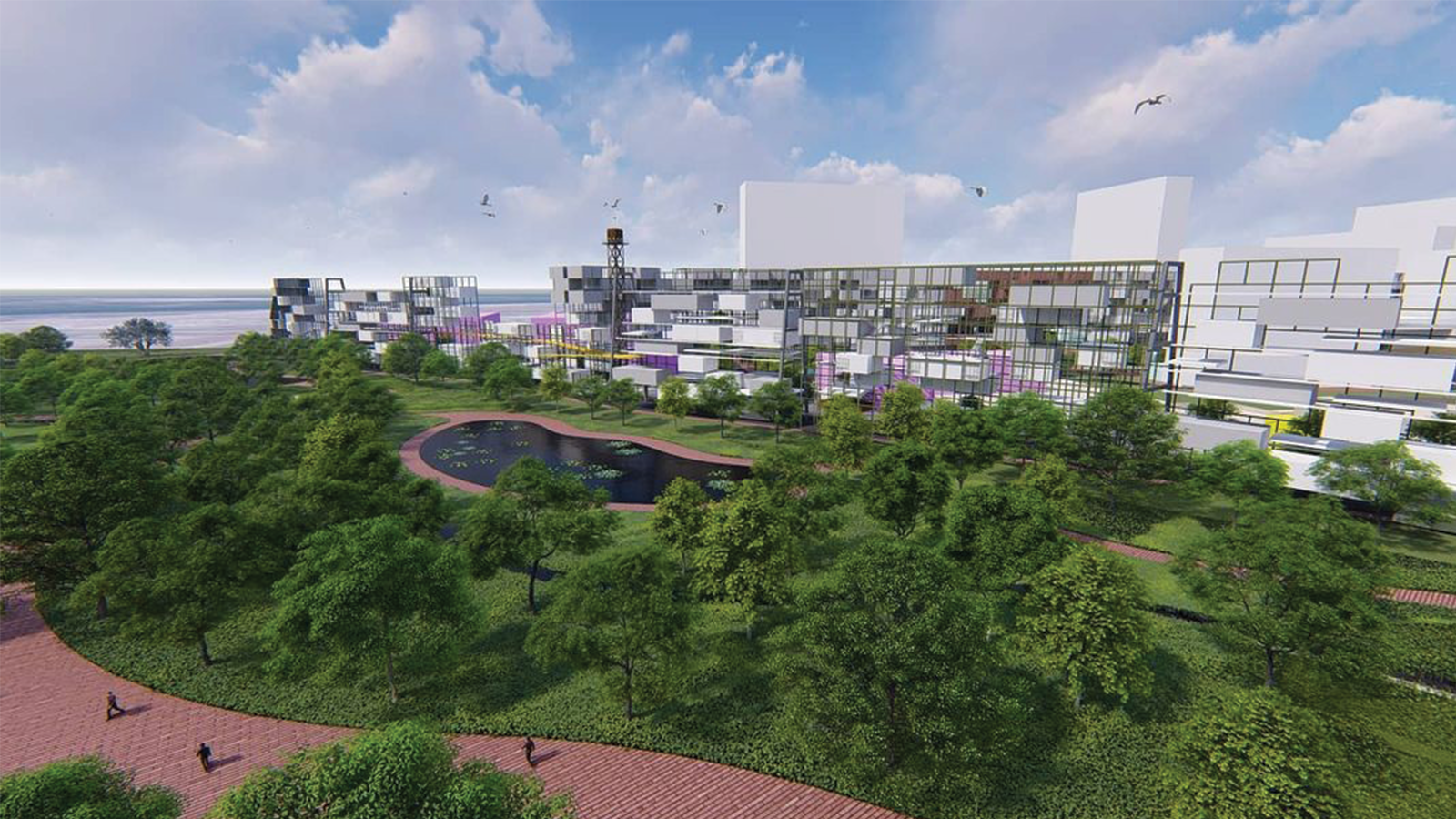
A truly sustainable campus is not just built — it’s grown. From Aseema Igatpuri’s solar classrooms to Dahanu Schools’ bamboo structures, EdEn helps institutions create spaces that reflect balance between nature and design.
Open-air classrooms reduce energy use and foster fresh, healthy learning environments. Gardens, compost pits, and renewable energy systems turn campuses into living ecosystems. Local artisans and students work side by side, embedding cultural heritage into modern education.
Every green campus becomes a model for other institutions — showing that sustainability can be practical, affordable, and deeply inspiring. The result: students who don’t just study the world but actively improve it.
Sustainable water management systems — like rainwater harvesting and greywater recycling — ensure campuses remain self-sufficient and environmentally responsible. Energy-efficient lighting, natural ventilation, and solar-powered facilities minimize carbon footprints while maximizing student engagement with their surroundings.
The result: students who don’t just study the world but actively improve it, carrying forward values of stewardship, creativity, and community responsibility. They graduate not only as learners but as eco-leaders, ready to influence their communities, workplaces, and the wider society toward a greener, more resilient future.
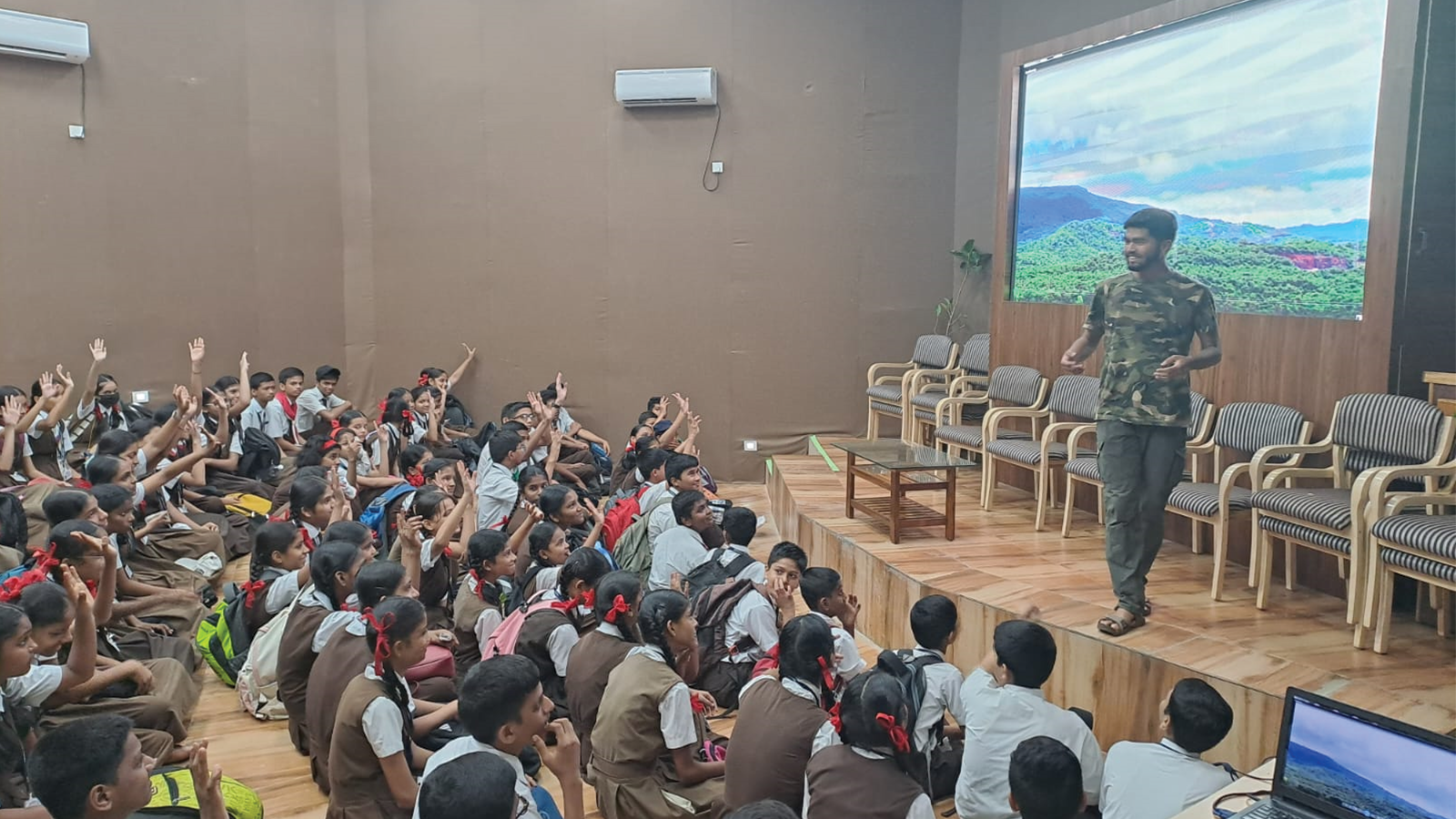
EdEn also integrates curriculum-linked environmental programs: science, art, and social studies projects become opportunities to explore renewable energy, biodiversity, waste management, and local ecology. By linking learning with tangible outcomes, sustainability becomes a lived experience rather than a theoretical concept.