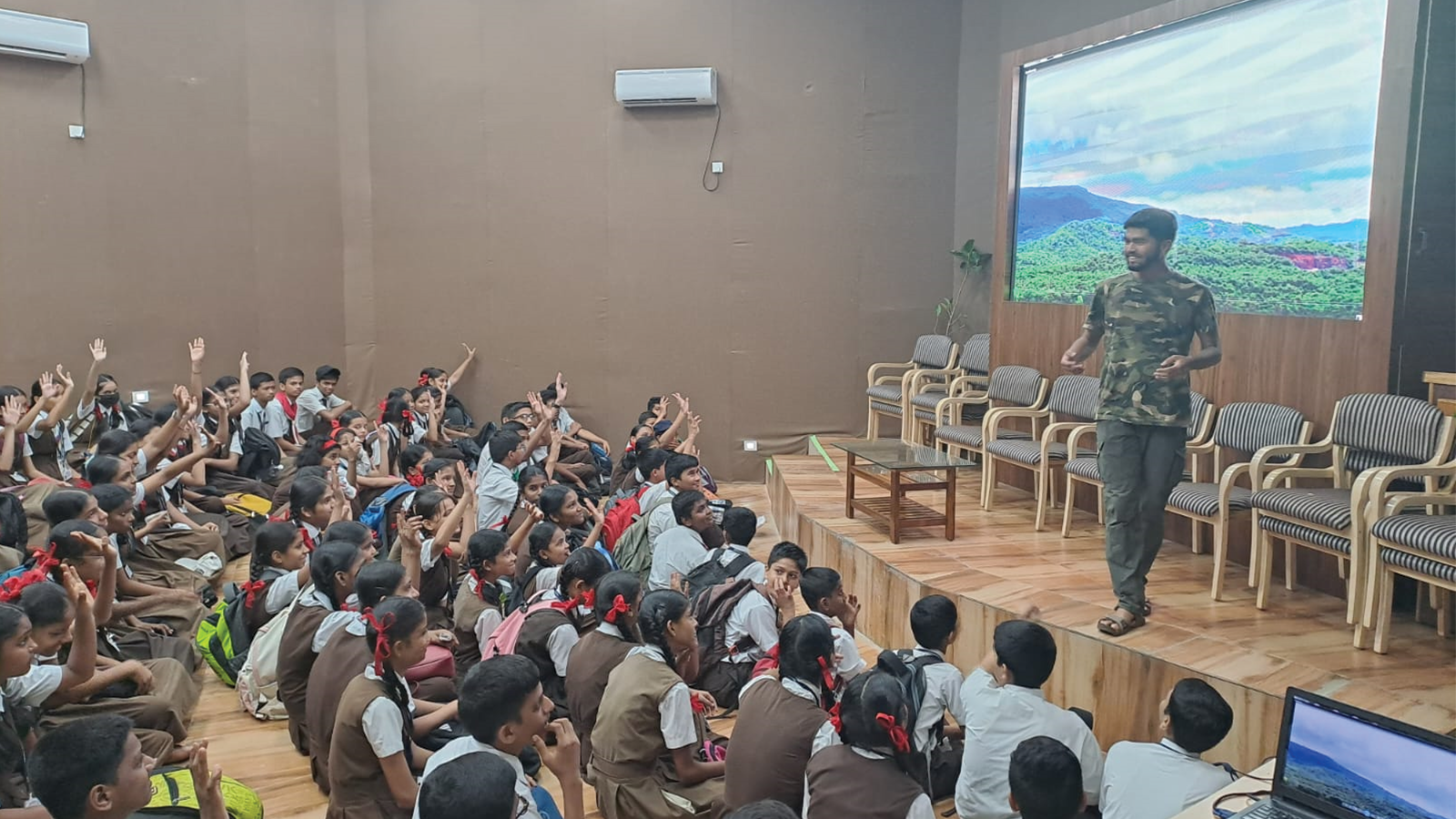
Education shapes the world — and sustainable education shapes a better one. Across India, classrooms are evolving into eco-labs where students learn to think critically about their environment. Through projects like Aseema KMS and Future Ready Schools, EdEn helps integrate sustainability directly into the learning process.
Teachers introduce simple practices such as recycling drives, rainwater collection demos, and classroom gardens. These hands-on activities make abstract environmental concepts real and relatable. Students learn that every small action — like planting a seed or turning off unused lights — contributes to global change.
When learning becomes experiential, young minds develop a sense of ownership and empathy for the planet. These green classrooms don’t just teach subjects; they cultivate purpose, compassion, and problem-solving skills that last a lifetime.
When learning becomes experiential, young minds develop a sense of ownership and empathy for the planet. These green classrooms don’t just teach subjects; they cultivate purpose, compassion, and problem-solving skills that last a lifetime. By embedding sustainability into education, EdEn is nurturing the next generation of eco-leaders, innovators, and changemakers, equipped to build a greener, more resilient future.
Sustainability lessons are also woven into the curriculum across subjects. Science classes explore renewable energy and biodiversity, art lessons focus on eco-friendly creativity, and social studies examine the impact of human choices on the environment. This interdisciplinary approach ensures students see sustainability as a part of everyday life, not just a separate topic.
Technology and storytelling amplify the impact of these initiatives. Students document their projects through videos, blogs, and social media campaigns, creating a ripple effect that inspires peers, families, and communities.
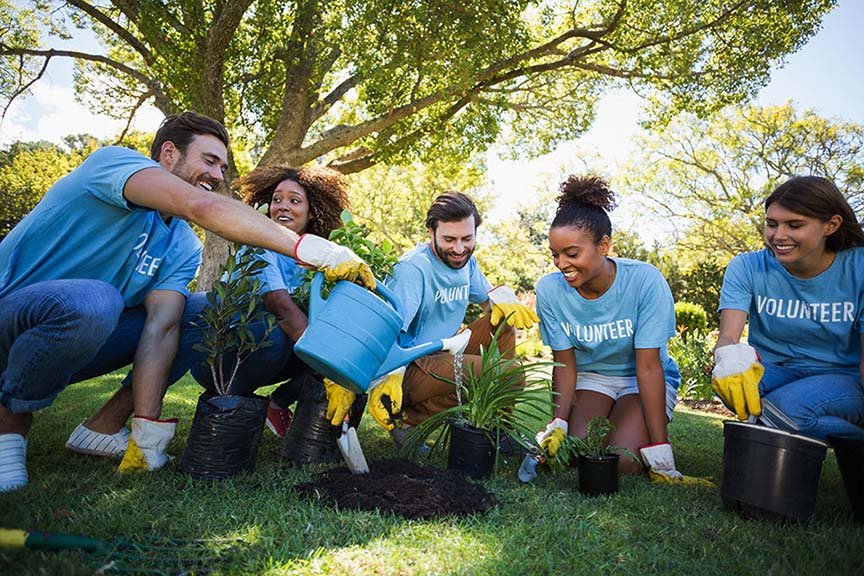
Students also participate in community engagement projects, such as local clean-ups, tree-planting drives, and awareness campaigns. By connecting classroom learning with real-world impact, they develop leadership skills and a sense of civic responsibility.